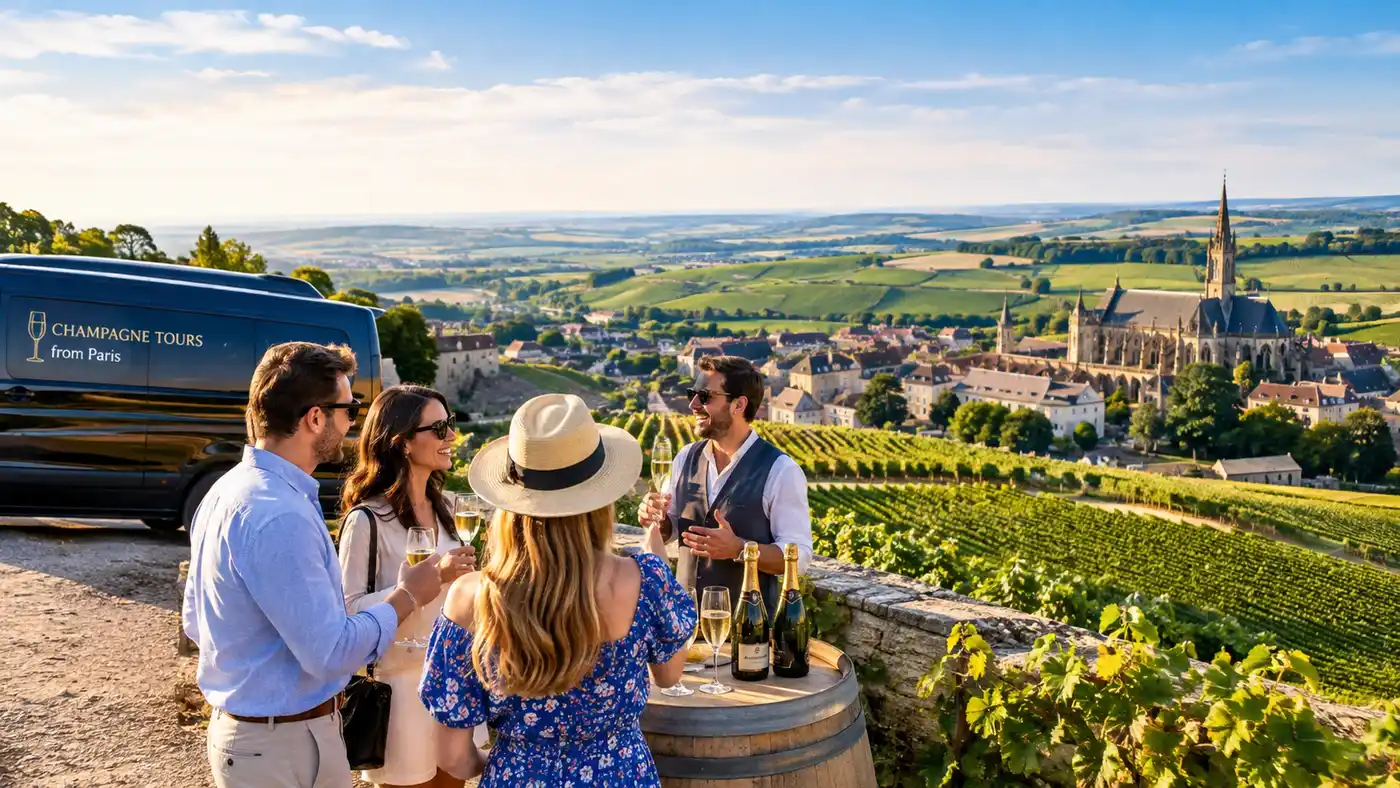
Best Time to Visit Champagne Seasons Harvest
Most travelers looking for the best time to visit champagne france expect a single weekend recommendation, but your ideal trip depends entirely on whether you care about seeing grapes on the vines or talking directly with cellar masters. I spent my first trip freezing in late November, pedaling a creaky rental bike along the muddy towpath between Epernay and Hautvillers. It was grey and cold. Yet because the tasting rooms were nearly deserted, the host at a tiny grower estate poured three vintages that were not even on the menu, just because he had time to talk.
The Champagne region sits barely 90 miles northeast of Paris, right at the northern climatic limit for viticulture. Because of that northern position, weather swings radically through the year. Spring frosts can ruin a vintage overnight, summer brings long evening sun across the chalk ridges, harvest throws the villages into frenzied motion, and winter turns the vineyard slopes quiet and bleak. Choosing whether to base yourself in Reims or Epernay during these seasons also shapes your whole schedule, from restaurant availability to cellar opening hours.
Book your champagne tours from paris experience:
Spring Awakenings: Bud Break and Quiet Chalk Caves
April and May mark the point when Champagne shakes off winter sleep. The vines push out their first green shoots, known locally as bud break or débourrement. The hillsides of the Marne Valley and the Montagne de Reims slowly shift from chalky brown to vivid chartreuse. Temperatures hover around 14 to 17 degrees Celsius by mid-May, which makes walking through the villages comfortable without leaving you drenched in sweat.
Visiting in spring gives you breathing room. The massive houses in Reims like Taittinger and Ruinart are running tours, but their subterranean corridors are not yet jammed with tour buses coming up from Paris. Down inside the crayères, ancient Roman chalk quarries that serve as cellars, the temperature remains 10 degrees Celsius year-round regardless of surface weather. You need a wool sweater down there even if May sunshine warms the courtyard outside.
Pro tip: Book small grower visits for Tuesday through Thursday in May. Viticulturists are busy finishing vine trellising, but their family tasting rooms are open and unhurried before the weekend tourist influx begins.
Spring has one big weather quirk: rain. May brings sporadic squalls that sweep across the open plateaus without warning. Bring sturdy walking shoes that can handle limestone mud. If you want to explore vineyard trails by foot, mud sticks to your boots like cement. A light waterproof jacket saves you when the skies open over a hillside in Mailly-Champagne.
Summer Sun and the August Slowdown
June and July are postcard months. The canopy is lush, the days run until almost 10 PM, and outdoor terrace seating fills up along the Avenue de Champagne in Epernay. If your goal is sipping blanc de blancs in shaded gravel courtyards while listening to corks pop, early summer delivers the classic fantasy. Many houses host garden concerts and temporary pop-up bars during these long evenings.
Then comes August, which catches unprepared visitors off guard. The French national summer holidays hit full stride in August. While the big corporate houses in Reims stay wide open to capture tourist revenue, hundreds of family-run independent producers lock their gates and head to the coast for three weeks. Entire village squares in places like Avize, Cramant, and Bouzy go completely silent. Michelin-starred dining rooms and small bistros alike post hand-written fermeture annuelle signs in their windows.
Note: If you travel in August, verify individual producer websites and make restaurant reservations weeks ahead. You will find plenty of wine at major commercial brands, but village dining options shrink noticeably.
Summer heat can also climb past 32 degrees Celsius on sunny afternoons across the valley slopes. Those deep chalk caves feel like paradise after walking through the sweltering heat of the vines. Still, walking into an 11-degree underground cavern when your shirt is damp with sweat will give you chills within ten minutes. Keep a jacket in your daypack.
| Season | Months | Vineyard Landscape | Cellar Availability | Atmosphere |
|---|---|---|---|---|
| Spring | April to May | Bud break, bright green shoots | High; quiet tasting rooms | Relaxed and peaceful |
| Summer | June to July | Dense canopy, long daylight | Peak; patio bars open | Bustling, warm, social |
| Late Summer | August | Heavy grape bunches ripening | Mixed; small growers closed | Sleepy outside big towns |
| Harvest | September to early October | Pickers in rows, tractors buzzing | Restricted at boutique houses | High-energy, industrial, exciting |
| Late Autumn | Late October to November | Golden foliage, stripped vines | Good; winemakers post-fermentation | Moody, calm, photogenic |
| Winter | December to March | Pruned, bare wood, occasional frost | Limited; major closures in Jan/Feb | Quiet, cozy, festive in Reims |
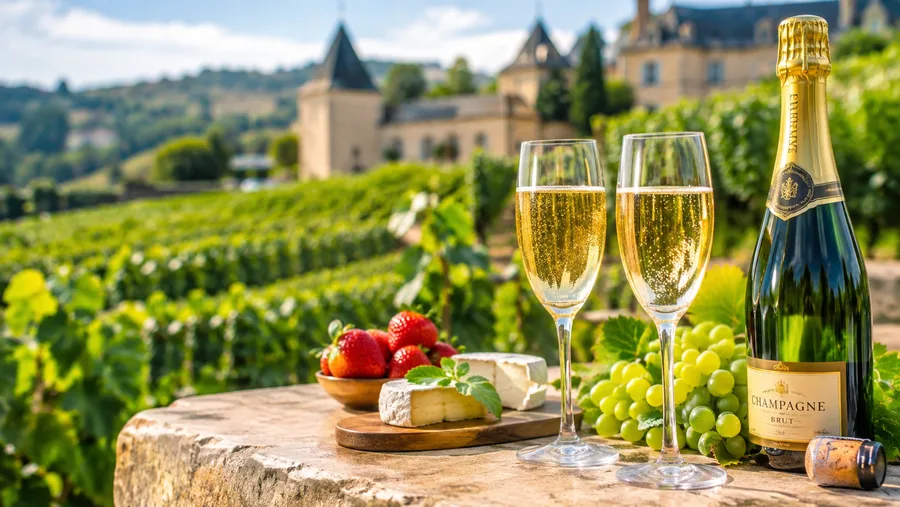
The Vendange: September Grape Harvest Energy
Harvest, or la vendange, is the beating heart of Champagne. It happens between late August and early October, dictated by annual sugar levels and acid balance rather than a fixed calendar date. When the Comite Champagne declares the official picking dates for each village and grape variety, roughly 120,000 seasonal workers descend on the region. Tractors with giant bins chug along narrow country roads, spilling the sharp scent of crushed grapes into the chilly morning air.
Experiencing harvest is intoxicating, but it requires tempered expectations if your goal is personal winery tours. If you want to know when to go to champagne france for harvest vibes, timing is tricky. Small producers are working 16-hour shifts at the pneumatic presses and settling tanks. They cannot step away to lead casual cellar tours. Many boutique wineries shut their doors to public tastings entirely during the peak two weeks of harvest.
If you visit during this window, stick to structured harvest experiences booked well in advance. Some cooperatives and historic estates run programs where you can pick grapes for an hour, watch the fruit hit the press, and drink freshly pressed grape must alongside the workers. The atmosphere in local village brasseries at lunchtime is electric, filled with dusty boots, loud laughter, and empty carafes.
- Picking reality: Hand-harvesting is strictly mandated by French appellation law across all 34,000 hectares, meaning you will see humans, not mechanical harvesters, in every single row.
- Road conditions: Village roads are clogged with tractors, delivery trucks, and harvest worker vans. Driving between estates takes double the usual driving time.
- Press house aromas: The whole region smells sweet and slightly sour from fermenting grape juice, a sensory detail no other season provides.
Book your champagne tours from paris experience:
Golden Autumn Foliage: Peak Seasons to Book Champagne Tours Without Crowds
If someone asked me for my single favorite week in Champagne, I would point straight to the third week of October. The harvest workers have packed up, the raw juice is settling into stainless steel and oak barrels, and the vineyard foliage turns blazing shades of yellow, amber, and deep rust. The Cote des Blancs, covered almost exclusively in Chardonnay vines, looks literally painted in yellow leaf pigment.
This period falls squarely among the ideal peak seasons to book champagne tours without crowds. Summer holiday travelers are gone, autumn school breaks have not started, and the winemakers have caught up on sleep after harvest chaos. They are relaxed, proud of the fruit they brought in, and genuinely happy to host visitors. You can often smell the first alcoholic fermentations bubbling away as you walk past cellar vents in the alleyways.
Planning a day trip to Reims from Paris during late October offers crisp morning mist over the cathedral towers followed by warm afternoons walking along the Montagne de Reims. The light hits the hills at low angles, making it the finest window for photography. Temperatures average 12 or 13 degrees Celsius, so a thick scarf and trench coat will serve you well.
Vineyard cycling tours are spectacular at this time, provided the trails are dry. You can pedal past Verzenay and its iconic windmill, overlooking miles of glowing golden slopes, without encountering another tourist group for an hour.
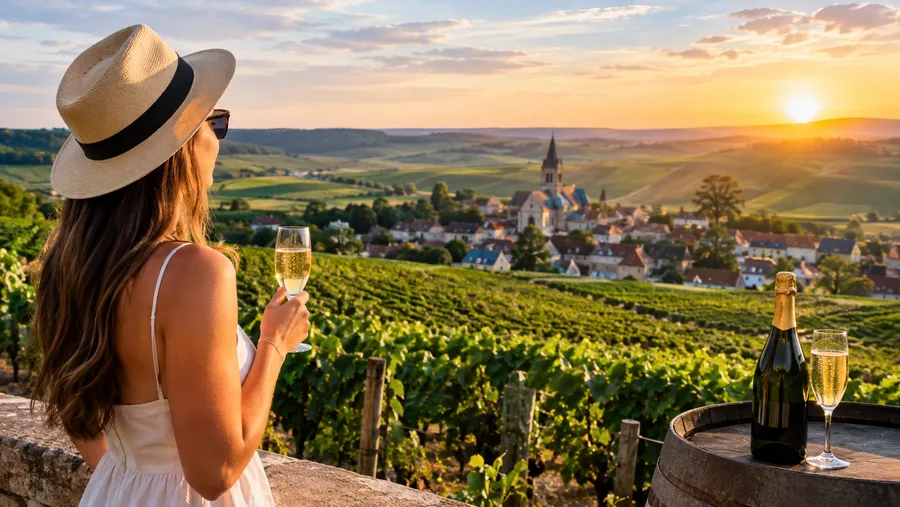
Winter Fog, Cellar Solitude, and the Best Time to Visit Reims
November strips the remaining foliage away, leaving the vines as bare, twisted stumps sticking out of chalky earth. By December, winter settles in with thick damp fog, overcast skies, and temperatures that dance around 3 degrees Celsius. While countryside cycling sounds miserable under those conditions, winter has a distinct appeal for travelers who prefer urban dining, historic architecture, and zero crowds.
December is arguably the best time to visit Reims if you enjoy festive European street life. The city hosts one of the largest Christmas markets in northern France, sprawling around the foot of the magnificent Notre-Dame de Reims cathedral. Over 140 wooden chalets sell spiced mulled wine, regional cheeses, gingerbread, and hot roasted chestnuts. The cathedral facade is lit up with light projections that bring the medieval stone carvings to life in vivid color.
January and February, honestly, are dead. January is when the region takes its deepest breath. Pruning begins in the freezing cold, and many houses shut their visitor centers for maintenance, inventory, and staff holidays. If you show up in Epernay on a Tuesday in mid-January, you may struggle to find an open tasting room or a dinner table outside of a chain hotel brasserie.
Still, those who brave the mid-winter lull get complete exclusivity. You might find yourself as the sole person on an underground cellar tour that holds thirty people in July. The tour guides, unhurried and free from scripted schedules, often linger longer and share stories they skip during the frantic summer crush.
- Reims Christmas market dates: Usually runs from late November through late December, transforming the square into a bustling seasonal village.
- Underground thermal upside: The crayères cellars sit at 10 degrees Celsius, which feels warm and sheltered when the surface temperature drops below freezing.
- Seasonal winter closures: Avoid traveling between January 5 and February 15 unless you have confirmed that your target champagne houses are actively receiving guests.
- Restaurant bookings: Great tables in Reims like Le Bocal or Cafe du Palais are easier to book on short notice compared to the packed summer months.
Frequently Asked Questions about best time to visit champagne france
When is the best time to visit champagne in france for good weather?
Late May through early July offers the best blend of mild weather, green vineyards, and open tasting rooms. Highs average between 20 and 24 degrees Celsius with moderate rainfall, making it ideal for walking village vineyards and dining outside on garden terraces.
Can you visit Champagne houses during harvest?
Yes, but you must choose carefully. Large historical houses in Reims and Epernay stay open on regular tour schedules during harvest, but smaller, family-owned growers often pause tastings completely to manage the intense physical demands of picking and pressing their grapes.
Is Champagne worth visiting in the winter?
Champagne is rewarding in December when Reims hosts its huge Christmas market and holiday light shows. However, January and February are very quiet, cold, and marked by widespread seasonal closures across small tasting rooms and boutique rural hotels.
Quick Reference
- May-July: Lush vines, outdoor terraces, reliable weather
- September: Intense harvest energy, sweet grape aroma, busy roads
- Late October: Golden foliage, quiet cellars, fantastic light
- December: Festive Reims Christmas market, chilly weather
- January-February: Many small producers closed, zero tourist crowds
Book your champagne tours from paris experience:
Before You Go
Deciding the best time to go to champagne france comes down to your personal priorities. If you want golden vines, leisurely chats with growers, and zero lines at the wine bar, aim for mid-to-late October. If you crave festive street markets and cathedral lights, bundle up for Reims in December. Match your dates to what you want to drink, how you want to travel, and whether you prefer buzzing terraces or silent chalk cellars.
Read more about champagne tours from paris.